
Longitudinal seams on shells, tubes and formed components
Application-specific welding solution
Longitudinal Welding Machines
Longitudinal seam welding machines engineered around the workpiece, clamping method, welding process and production sequence.
Production challenges
Built for these production challenges.
Controlled clamping and backing arrangements
Manual, semi-automatic or automated production workflows
Engineering context
Technical decisions behind the right solution.
These factors are reviewed before HST confirms a machine family, project scope or production concept.
01Seam and support
Seam preparation defines the machine concept.
Material, edge preparation and joint geometry influence clamping pressure, backing-bar design and the way the workpiece is supported along the weld.
- Shell or formed-part geometry
- Copper or application-specific backing
- Clamping sequence and weld-root protection
02Controlled travel
Torch guidance must remain stable along the full seam.
Linear travel, welding speed, torch position and supporting utilities are reviewed as one controlled process. TIG, MIG/MAG and plasma applications can require different torch, wire and gas arrangements.
- Usable linear stroke and travel-speed range
- Torch holder, wire feed and gas circuits
- Control-system and welding-source communication
03Custom scope
Workpiece handling can make a standard machine insufficient.
Large diameters, variable product lengths, lifting requirements or upstream handling may require a project-specific machine instead of a standard family configuration.
- Loading and unloading method
- Operator platform and extraction requirements
- Interfaces to the surrounding production line
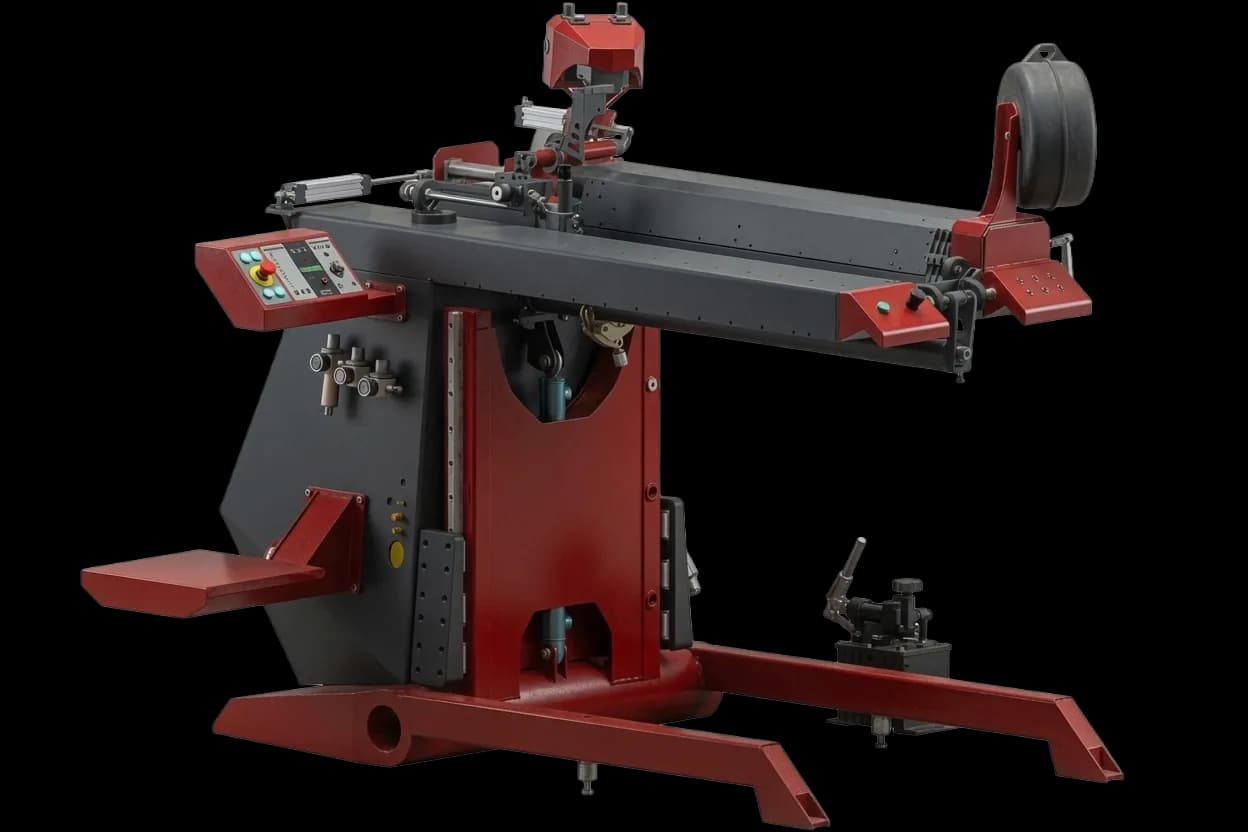
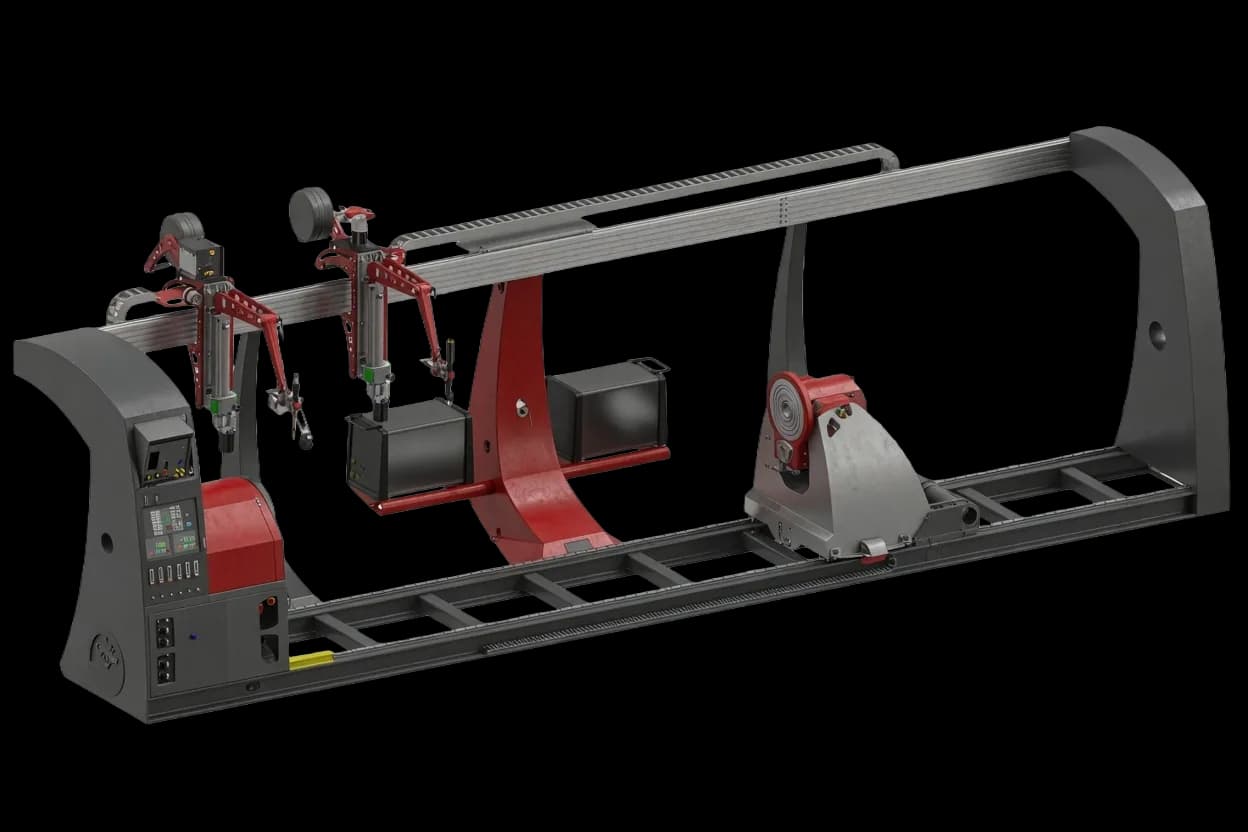
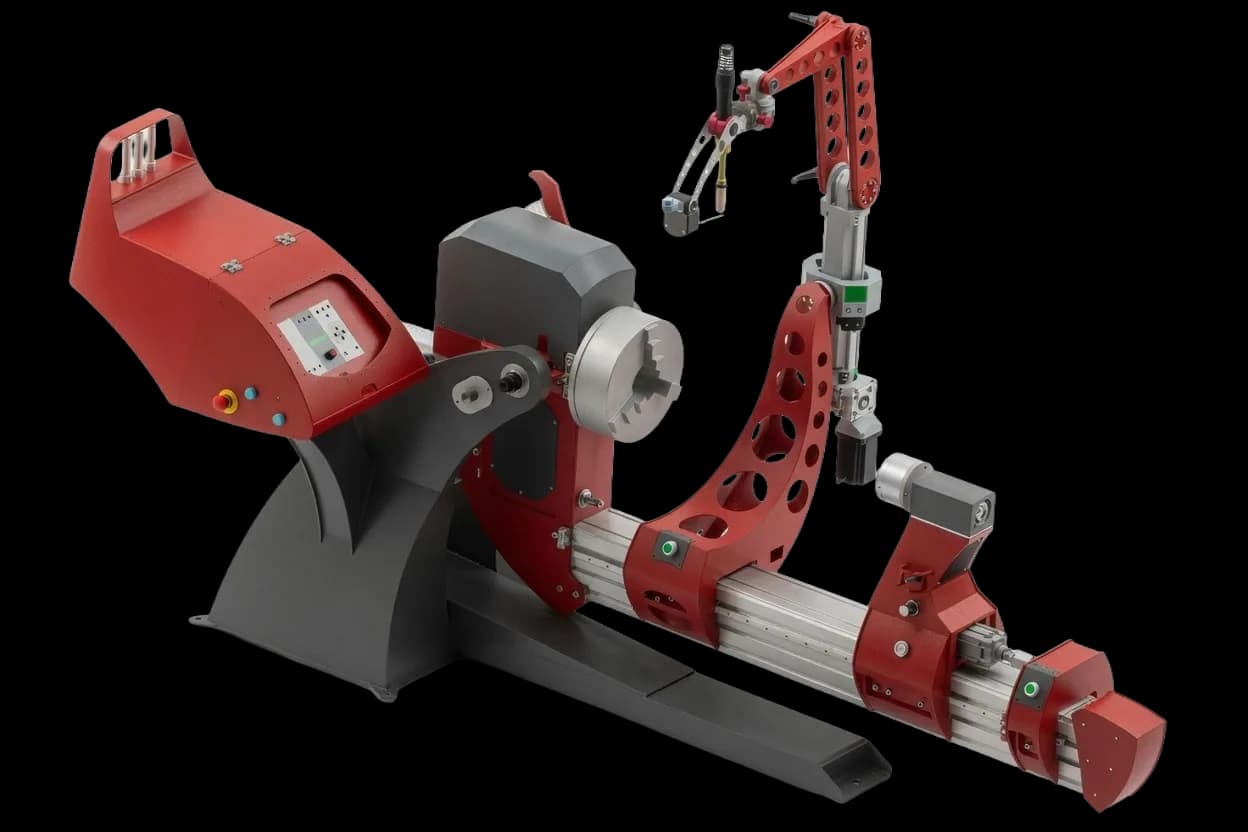
HST machine families
Relevant systems from the current portfolio.
Open a family to compare its published models. Exact suitability is verified against the workpiece and process.
Selection guide
How to define the system
Share the workpiece drawing, seam preparation and material.
Define the welding process, target workflow and handling method.
Review clamping, backing, controls and supporting equipment together.
Buyer questions
Frequently asked questions.
01Which inputs are required for a longitudinal welding concept?+
HST normally starts with workpiece drawings, material, seam preparation, welding process, production sequence and handling constraints.
02Is every longitudinal welding machine custom?+
The suitable level of standardisation depends on the application. HST reviews whether an existing family concept or a project-specific system is appropriate.
Technical review
Send us your workpiece requirements.
HST reviews the application, production context and project scope before recommending a family, configuration or engineered solution.
Discuss your application