
Longitudinal and circumferential tank seams
Tank production engineering
Tank Welding Systems
Tank welding systems engineered around shell geometry, seam sequence, workpiece handling and the selected welding process.
Production challenges
Built for these production challenges.
Shell support, rotation and assembly workflows
Integrated welding equipment and production handling
Engineering context
Technical decisions behind the right solution.
These factors are reviewed before HST confirms a machine family, project scope or production concept.
01Production sequence
Tank production is a chain of connected phases.
Plate preparation, shell forming, longitudinal seam welding, section assembly and circumferential welding place different demands on support, alignment and movement.
- Shell preparation and longitudinal seam stage
- Section alignment, tacking and assembly
- Final circumferential welding sequence
02Seam direction
Longitudinal and circumferential welds need different motion.
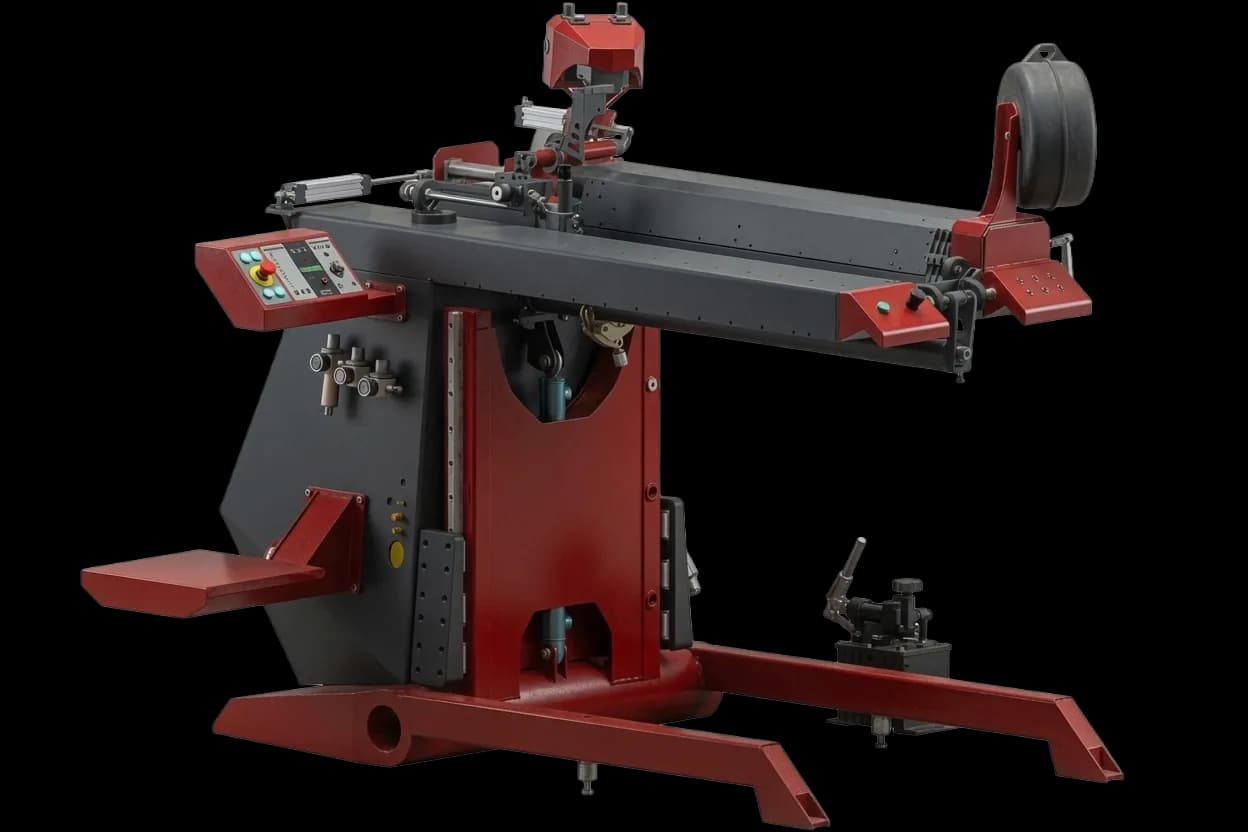
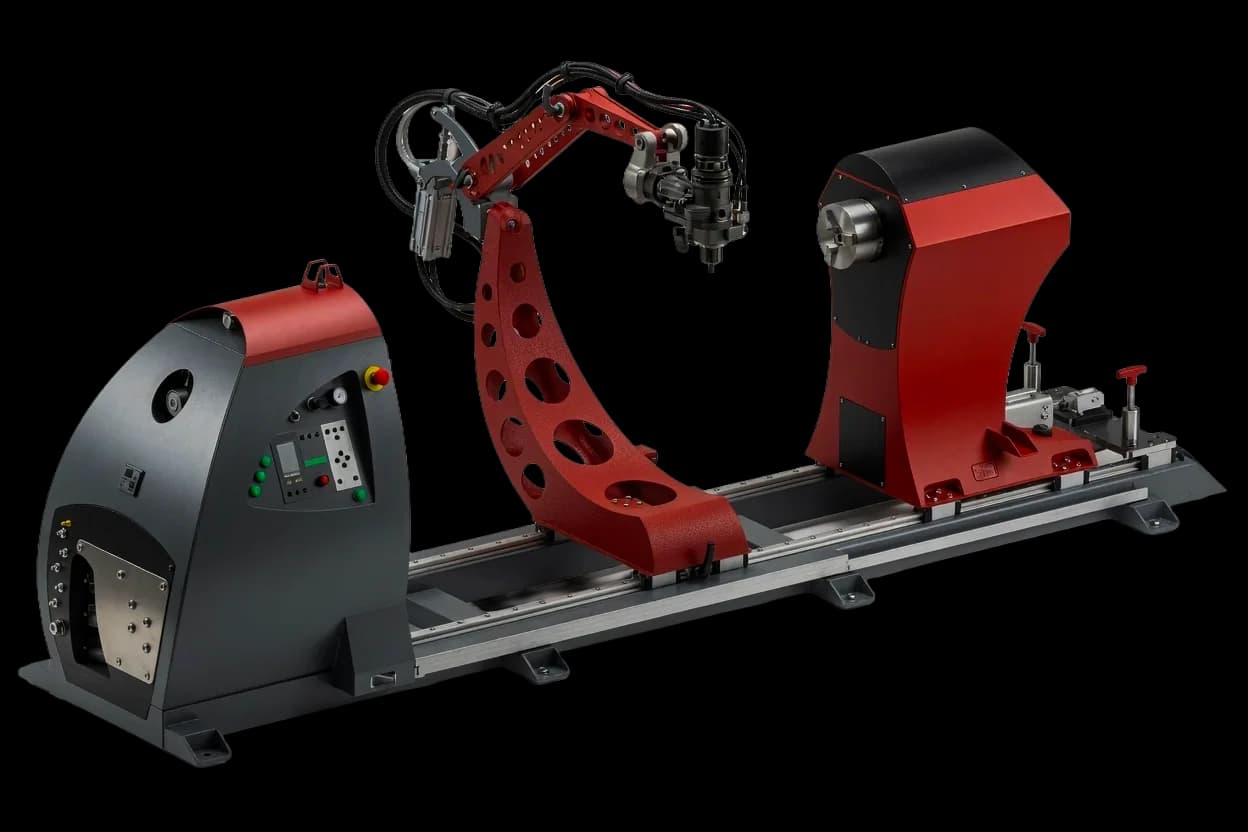
A longitudinal seam normally uses controlled linear torch travel along a supported shell. Circumferential welding instead requires controlled workpiece rotation relative to the torch.
- Linear torch guidance and shell clamping
- Stable rotation and circumferential speed
- Joint access, backing and weld-root protection
03Support and rotation
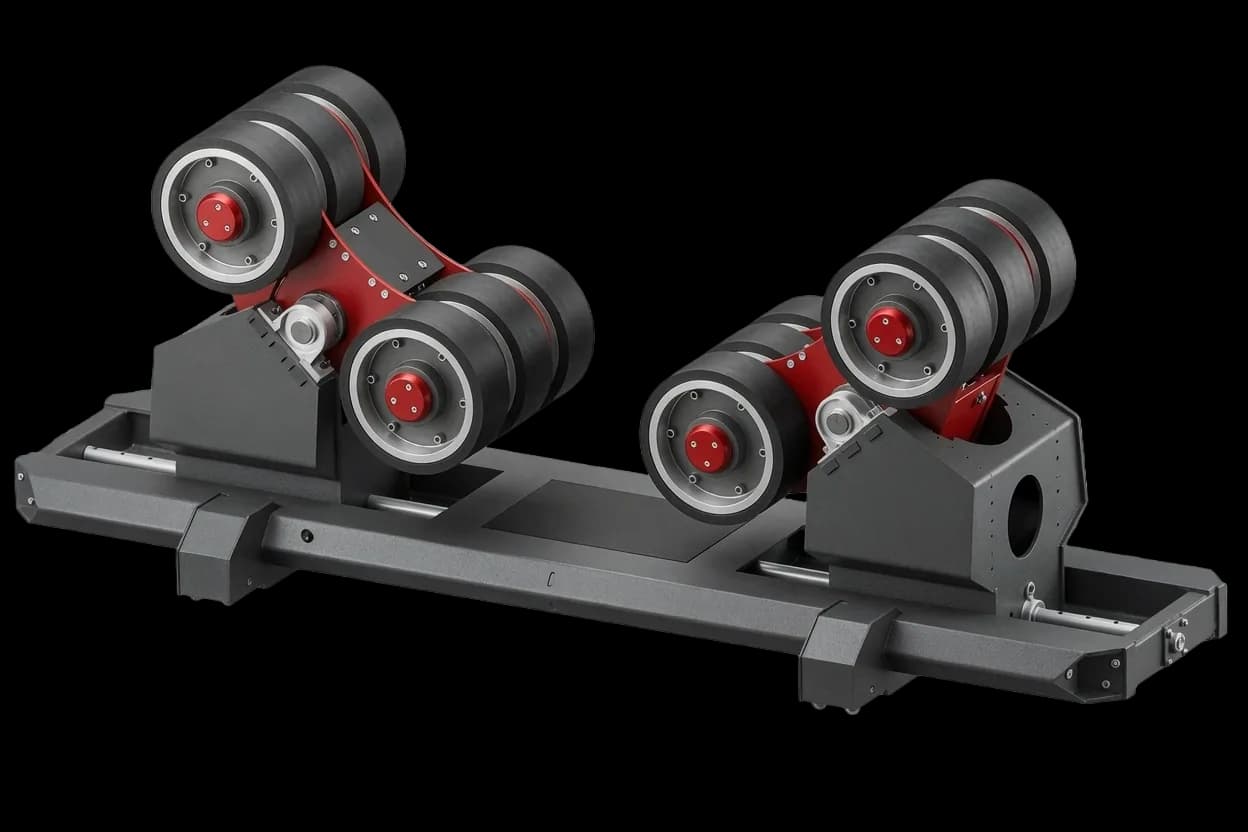
Turning rolls are part of the process, not an accessory.
Roller spacing, load distribution, diameter range and drive control influence how the shell is supported and rotated during assembly and welding.
- Workpiece diameter and mass distribution
- Driven and idler roller arrangement
- Connection to welding columns or gantry systems
04Welding method
Process selection changes the supporting equipment.
TIG, MIG/MAG, plasma and submerged-arc applications use different torches, wire or flux systems and process controls. The selected method must be evaluated against the joint, material and production sequence.
- Welding source and consumable delivery
- Camera, seam tracking or operator visibility
- Extraction, gas and control integration
HST machine families
Relevant systems from the current portfolio.
Open a family to compare its published models. Exact suitability is verified against the workpiece and process.
Selection guide
How to define the system
Define tank geometry, materials and seam sequence.
Map handling, assembly and welding operations.
Review the required machine scope, interfaces and operating environment.
Buyer questions
Frequently asked questions.
01Does a tank welding system always require a complete line?+
No. The suitable scope may be one machine, coordinated equipment or a connected production line, depending on the existing workflow.
02Can HST review an existing tank production process?+
Yes. A consultation can start with the current sequence, constraints and target operating concept before any machine scope is defined.
Technical review
Send us your workpiece requirements.
HST reviews the application, production context and project scope before recommending a family, configuration or engineered solution.
Discuss your application